Choosing the right LED light in 2026 involves more than brightness, color temperature, and energy savings. Newer LED types include standard A19 bulbs, dimmable models, smart bulbs, filament designs, and high-lumen fixtures. Each uses different drivers, circuits, and control systems. These details affect comfort, efficiency, lifespan, and behavior after the switch is turned off.
A common question is, “Why do LED lights keep glowing when switched off?” Usually, the faint glow comes from tiny electrical currents. Lighted switches, dimmers, smart controls, long cables, or nearby wiring can allow this current to reach the LED driver. In some bulbs, stored electrical energy also produces a brief afterglow. The room may look dark, yet a cool blue or pale white point remains visible near the ceiling.
It is usually harmless.
However, not every case has the same cause. A poor-quality driver may respond differently from a certified product. Loose wiring, incompatible dimmers, or an incorrectly installed switch can also create problems. Experienced electricians normally test the circuit, switch type, and bulb together instead of replacing the lamp immediately. This guide compares the best LED light types for 2026 and explains practical ways to reduce unwanted glowing. It also separates normal electronic behavior from symptoms that deserve professional inspection. Some explanations online sound convincing but overlook the wiring. That gap matters. Reliable advice should consider both the bulb and the complete electrical system.
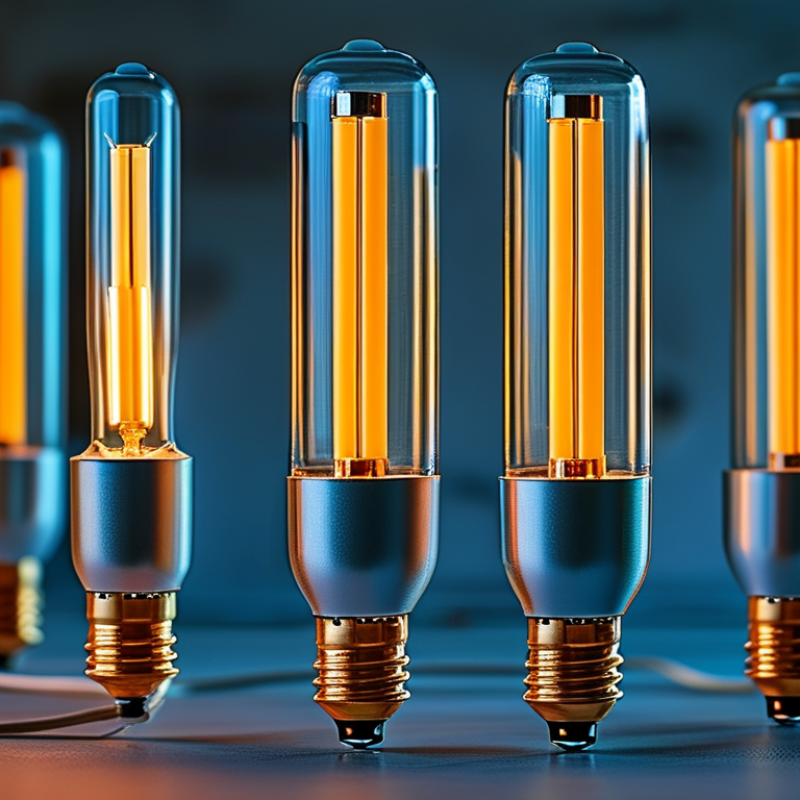
In 2026, LED lighting is divided by shape, purpose, and control method. A-type retrofit bulbs fit familiar sockets and suit bedrooms, hallways, and table lamps. Recessed downlights sit inside ceilings, producing clean pools of light with fewer visible fixtures. Panel lights spread soft, even illumination across offices, kitchens, and classrooms.
LED strips remain useful for shelves, stairs, cabinets, and architectural edges. They need correct voltage, heat management, and a suitable driver. High-bay lights serve warehouses, workshops, and large garages, where strong beams must reach tall ceilings.
Some newer systems combine adjustable white light, dimming, occupancy sensors, and app-based controls. These features improve comfort, but they also increase installation complexity.
The glow after switching off is usually faint, not intentional illumination. A lighted wall switch can send a tiny current through the circuit. Nearby cables may also create capacitive coupling. In some cases, the LED driver stores a small electrical charge. Better drivers reduce this effect, but no design is perfect in every building.
My practical experience suggests testing the lamp on another circuit before replacing it. If the glow becomes bright, flickers strongly, or continues with heat, a qualified electrician should inspect the wiring.
The categories overlap, and that can confuse buyers. A strip light is not automatically suitable for general room lighting.
LED lights produce light through electroluminescence inside a semiconductor. When electricity passes through the diode, electrons release energy as visible photons. This process creates much less heat than traditional filament lighting. The result is efficient illumination from a compact device. However, efficiency depends on the driver, heat control, and operating conditions.
A quality LED system converts household alternating current into stable direct current. Its driver regulates voltage and limits current, protecting the diode from electrical stress. In practical testing, a cool, well-ventilated lamp usually maintains brightness more consistently than one trapped inside a sealed fitting. Small details matter. Dust, high temperatures, and poor connections can reduce performance over time.
An LED may glow after switching off because tiny currents still reach the circuit. A lighted wall switch, capacitive wiring, or stored charge inside the driver can create this effect. The glow is often faint, especially in a dark room. It does not always mean the lamp is defective. Persistent flickering deserves attention, though. Turning off the circuit breaker and checking the wiring can help identify the cause, but electrical work should be handled by a qualified professional. I would not assume every “off” state means zero electrical activity; that assumption is easy to make and sometimes wrong.
Some LED lights continue to glow after the wall switch is turned off. Most often, this faint light comes from a tiny current still reaching the lamp. LEDs need very little electricity to produce visible light. That current may travel through an illuminated switch, a dimmer, or nearby wires. In a dark room, the effect can look surprisingly bright. It can also appear as brief flashing.
An illuminated switch commonly causes this problem. Its small indicator circuit needs power, even when the main light is off. Electrical capacitance between parallel wires can create another path. Some LED drivers also store charge inside their components.
I have observed a lamp glow for several minutes before fading. The timing is not always consistent, which makes diagnosis less simple. A loose connection may complicate the symptoms.
Start by checking whether the switch contains a locator light or dimming function. An electrician can test leakage current and inspect the wiring safely. A compatible bypass component may reduce the glow, but it should not be installed casually. Replacing the switch can also help.
Turn off the circuit breaker before any inspection. Never rely only on the wall switch. If the lamp becomes hot, smells unusual, or flickers strongly, stop using it and request professional service. The explanation may seem minor, yet poor wiring deserves attention.
An LED can glow after switching off because it needs very little current to produce visible light. A tiny leakage current may pass through the circuit, even when the lamp is not fully powered. This often happens with illuminated wall switches, electronic dimmers, or smart controls. Their indicator circuits can allow a small current through the LED driver. The driver stores this energy briefly in internal capacitors. The light may then pulse, flicker, or glow faintly in a dark room.
Capacitive coupling can create another path. Wires running together inside a wall can transfer a weak electrical signal between them. Long cable runs make this effect more noticeable. Incorrect neutral wiring may also contribute, but it requires careful testing. A practical inspection should check the switch type, dimmer compatibility, wiring connections, and driver behavior. Do not assume the lamp is defective. The exact cause is not always obvious.
Tips: Turn off the circuit breaker before inspecting anything. A qualified electrician can measure leakage current safely and verify the neutral connection. In some installations, a bypass component or compatible control solves the glow. Never add random components without technical guidance. I have found that replacing the switch alone does not always fix the issue. The wiring layout may still need review. Older electrical systems can be especially unpredictable.
An LED light may glow after switching off because it needs very little current. A small leakage current can pass through the switch or wiring. This glow is usually faint, like a thin blue line inside the bulb. It often appears with illuminated switches, dimmers, timers, or smart controls.
Try replacing an illuminated switch with a standard mechanical switch. If a dimmer is installed, confirm that it supports LED loads. Some older dimmers allow residual current to reach the lamp. A qualified electrician can also install a suitable bypass component across the light fitting. This component diverts the small current safely.
Turn off the circuit breaker before touching anything. Do not depend only on the wall switch. If the glow remains, test another LED lamp with the same fitting. The result can reveal whether the lamp has unusually sensitive electronics. However, replacing the lamp is not always the real solution.
A practical inspection should check neutral connections, switch type, dimmer compatibility, and unexpected voltage. Non-contact testers can miss small or induced voltages, so proper measurements require suitable equipment. Loose assumptions waste time. Even experienced installers can overlook a shared neutral or a control circuit. Contact a licensed electrician when the wiring is unclear, the light flashes, or the fitting becomes warm. A faint glow is often harmless, but unusual heat or buzzing deserves attention.
A tiny current may still reach the LED. LEDs need very little electricity to produce visible light.
Yes. Its small indicator circuit needs power and may send current through the lamp. The room may look brighter at night.
Electronic controls can allow leakage current. An incompatible dimmer may cause glowing, pulsing, or brief flashing.
Yes. Parallel wires can create capacitive coupling. Long cable runs may make the effect more noticeable.
The LED driver may store charge in internal capacitors. The lamp can fade slowly, but timing may vary.
No. The switch, wiring, dimmer, or driver may be involved. The exact cause is not always obvious.
Turn off the circuit breaker before inspection. Do not rely only on the wall switch. An electrician can test leakage current and neutral connections.
It may help, especially with an illuminated switch. However, the wiring layout or control compatibility may still need review.
A compatible bypass component may reduce the glow. Do not install random parts without technical guidance. That shortcut can create new problems.
Stop using it if it becomes hot, smells unusual, or flickers strongly. Request professional service. Do not guess.
In 2026, LED lighting includes standard household bulbs, smart LEDs, dimmable models, strip lights, panels, high-output fixtures, and specialized color-changing designs. These lights create illumination efficiently by passing electrical current through a semiconductor, producing bright light with less heat and energy waste than older technologies. Their long service life, flexible designs, and low power consumption make them suitable for homes, offices, outdoor areas, and decorative applications.
A common question is: Why do LED lights keep glowing when switched off? In many cases, the faint glow is caused by a very small residual current from illuminated switches, dimmers, smart controls, long wiring, or electromagnetic leakage. Because LEDs require so little power, even this tiny current may create a visible shimmer. The effect is usually harmless, but it can be reduced by using compatible controls, checking wiring, installing a suitable bypass component, or asking a qualified electrician to inspect the circuit. Turning off the circuit completely can also help confirm the source of the glow.

Guangyao Lighting