Reducing maintenance costs for long-term outdoor lighting projects is a crucial concern for property owners and facility managers. The functionality of these lighting systems is vital for safety and aesthetics in public and private spaces. However, traditional maintenance can be costly and time-consuming.
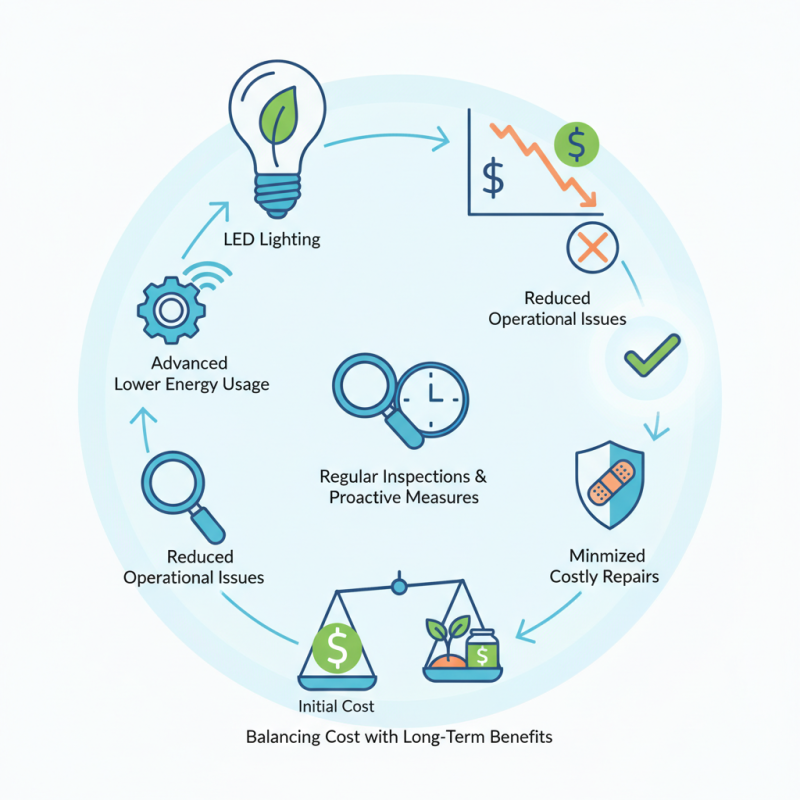
Effective strategies can lead to significant savings. For instance, using LED lighting is a proven method to lower energy usage. Advanced technology also plays a crucial role in reducing operational issues. Regular inspections and proactive measures can help catch problems early, minimizing costly repairs later.
Despite these strategies, challenges may arise that require more reflection. The initial installation cost may be higher for advanced systems. Balancing cost with long-term benefits is essential. However, over time, these investments can yield substantial financial returns. Understanding this balance is key to a successful outdoor lighting project. Ultimately, it is about finding the right solutions that work for your specific needs while effectively managing expenses.
Evaluating the Current Maintenance Practices for Outdoor Lighting
Evaluating the current maintenance practices for outdoor lighting is crucial. Many facilities overlook minor issues, leading to bigger problems. Regular inspections can identify these early, preventing costly repairs. A systematic approach to routine checks can ensure better longevity of equipment.
Tips: Conduct bi-monthly assessments of lighting fixtures. Look for burned-out bulbs or damaged fixtures. Keep detailed logs to spot recurring issues over time.
Emphasizing preventive maintenance often proves beneficial. Technicians may skip adjustments, thinking they’re minor. This can lead to increased energy consumption and faster wear. Training staff to recognize early signs of malfunction helps streamline this process.
Tips: Implement a training module for grounds staff focused on identifying lighting issues. Encourage open communication about any observed problems, regardless of their perceived severity. This proactive strategy not only saves costs but also enhances overall safety.
Choosing Energy-Efficient Lighting Solutions for Longevity
Choosing energy-efficient outdoor lighting solutions is essential for reducing long-term maintenance costs. According to a report by the U.S. Department of Energy, replacing traditional lighting with LED systems can cut energy usage by up to 75%. LEDs not only consume less energy, but they also have a longer lifespan, often lasting over 25,000 hours compared to only 1,200 hours for incandescent bulbs.
When selecting outdoor lighting, consider options that offer durability against harsh weather. Some materials, like polycarbonate, resist breakage better than glass. Additionally, fixtures equipped with motion sensors can save energy by reducing usage when areas are unoccupied. However, not every location requires these features; thinking critically about where to install them can prevent unnecessary expenses.
Despite the advantages, some may overlook the upfront costs. Energy-efficient options often require more initial investment. Careful planning is needed to balance long-term savings against these costs. It’s crucial to evaluate each location's specific needs. Not every lighting solution fits every space, and local climate factors play a significant role in performance and longevity.
Implementing Smart Technology for Remote Monitoring and Control
Outdoor lighting requires constant upkeep. Implementing smart technology can significantly reduce long-term maintenance costs. Remote monitoring and control systems allow facility managers to keep an eye on lighting conditions from anywhere. This capability helps identify issues before they escalate.
Tips: Consider using sensors to monitor light levels and schedules. These sensors can adjust brightness based on natural light availability. They also ensure that lights operate only when needed. Another idea is to schedule regular maintenance checks through your smart system. This maintains efficiency without interrupting normal operations.
Although the technology is powerful, it's not foolproof. Systems can malfunction or become outdated. Regular updates and checks are vital. The reliance on smart technology may lead to oversight in traditional maintenance techniques. Balancing both approaches can yield the best results for cost savings and reliability. Embrace the technology, but never ignore the basics.
Impact of Smart Technology on Maintenance Costs for Outdoor Lighting
Planning Regular Inspection and Preventive Maintenance Schedules
Regular inspections are crucial for outdoor lighting systems. Frequent evaluations can reveal potential issues before they escalate. This proactive approach saves money and enhances reliability. Establishing a schedule helps ensure that every fixture is checked periodically. During inspections, focus on light output, wiring integrity, and sensor functionality. A small oversight can lead to increased costs.
Preventive maintenance schedules should include cleaning fixtures and checking connections. Dust and debris can obstruct light output. These tasks, though simple, often get overlooked. Regular maintenance can extend the lifespan of your lights. This includes replacing worn-out bulbs and tightening loose fittings. A well-maintained system operates efficiently and minimizes unexpected expenses.
It's essential to document maintenance activities. Keeping detailed records helps track issues over time. This data can guide future decisions and budget allocations. If neglect occurs, problems may compound. A light that flickers can indicate deeper issues. Ignoring these signs may lead to bigger repairs down the line. Prioritizing inspections can prevent unnecessary costs and improve outdoor safety.
Training Staff on Best Practices for Outdoor Lighting Care
Training staff on best practices in outdoor lighting care is crucial for reducing long-term maintenance costs. According to the Illuminating Engineering Society, routine maintenance can save up to 30% on operational expenses over time. Staff training ensures that employees understand the importance of regular inspections and timely repairs. This proactive approach can be pivotal in extending the lifespan of lighting fixtures.
Inadequate staff training often leads to oversight and increased wear on equipment. For example, not checking for lamp alignment can cause uneven light distribution. An industry report notes that 80% of outdoor lighting failures stem from minor issues that could be easily resolved. Engaging staff in hands-on training sessions can empower them to identify and address these problems early. This can mitigate costly repairs and enhance the operational efficiency of lighting systems.
Moreover, knowledgeable staff can ensure that the latest technologies are used effectively. Familiarity with energy-efficient options, like LED upgrades, is essential. According to the U.S. Department of Energy, replacing traditional bulbs with LEDs can reduce energy consumption by 75%. Therefore, continuous education on innovative lighting solutions is vital. With a well-trained team, cities can improve their outdoor lighting infrastructure while minimizing long-term costs.
FAQS
: Energy-efficient lighting lowers long-term maintenance costs and reduces energy usage significantly.
LED lights often last over 25,000 hours, much longer than traditional incandescent bulbs.
Polycarbonate is often better than glass for resisting breakage in harsh weather.
Yes, motion sensors can reduce energy usage by turning off lights when areas are unoccupied.
Yes, they may require a higher initial investment, but savings can be substantial over time.
Regular inspections should be scheduled to ensure reliability and catch issues early.
Inspectors should check light output, wiring, and sensor functionality during evaluations.
Preventive maintenance extends the lifespan of lights and minimizes unexpected repair costs.
Keeping records tracks issues over time and guides future budget decisions effectively.
Neglect can lead to compounded problems, such as flickering lights indicating deeper issues.
Conclusion
To effectively reduce maintenance cost for long-term outdoor lighting projects, it is essential to evaluate current maintenance practices to identify inefficiencies and areas for improvement. By choosing energy-efficient lighting solutions, organizations can ensure longevity and reduce the frequency of replacements. Implementing smart technology allows for remote monitoring and control, enabling proactive management of lighting systems.
Additionally, planning regular inspection and preventive maintenance schedules is crucial in catching issues before they escalate, ultimately saving on repair costs. Training staff on best practices for outdoor lighting care ensures that maintenance procedures are followed correctly, further minimizing issues and costs. By adopting these strategies, organizations can significantly reduce their maintenance expenses while enhancing the performance and lifespan of outdoor lighting systems.

 Guangyao Lighting