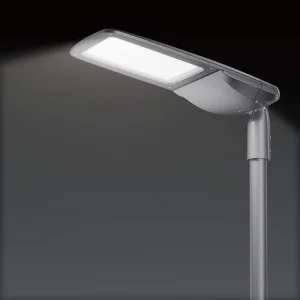
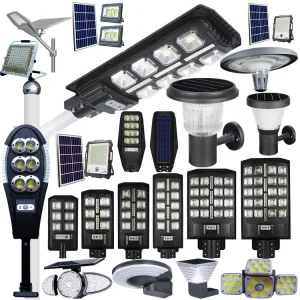
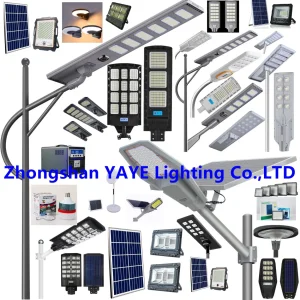
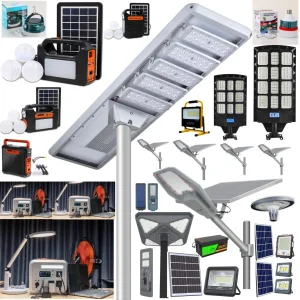
High-efficiency integrated solutions for modern urban and rural infrastructure.
The global All-in-One Solar Street Light market is experiencing an unprecedented surge, driven by the dual imperatives of carbon neutrality and smart city initiatives. As of 2024, industrial and commercial demand for integrated solar lighting has shifted from simple "off-grid illumination" to "intelligent energy management." From the bustling highways of the Middle East to the remote pathways in Southeast Asia and Africa, the demand for reliable, self-sustaining lighting solutions is at an all-time high.
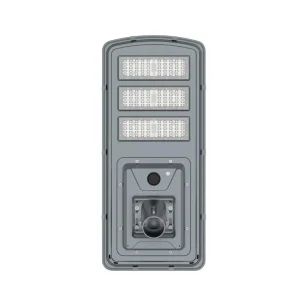
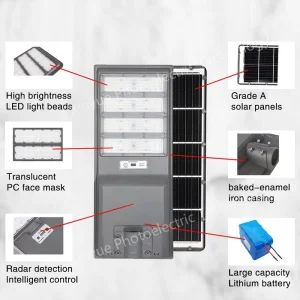
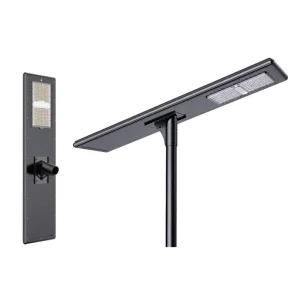
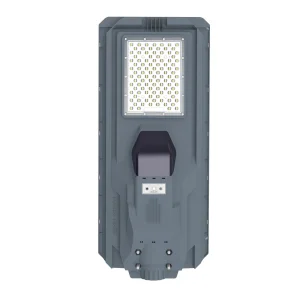
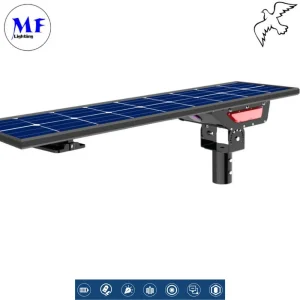
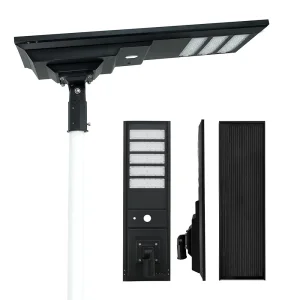
Commercial sectors, including logistics parks, large-scale mining operations, and public infrastructure projects, are increasingly opting for "All-in-One" designs. The reason is simple: Integration reduces installation costs by up to 60% and minimizes maintenance complexities by housing the solar panel, LiFePO4 battery, LED source, and smart controller within a single, robust casing.
The solar street lighting market is projected to grow at a CAGR of 15.6%, reaching multi-billion dollar valuations by 2030.
Reduction in carbon footprint and alignment with ESG (Environmental, Social, and Governance) goals for global enterprises.
Adoption of 4G/5G and LoRa technologies allows for real-time monitoring and remote dimming capabilities.
Modern factories are moving towards N-type monocrystalline cells with conversion rates exceeding 23%. Bifacial solar panels are also gaining traction, capturing reflected light from the ground to boost energy yield by up to 15% in sandy or snowy environments.
The industry has shifted away from lead-acid and standard ternary lithium to Lithium Iron Phosphate (LiFePO4). These batteries offer over 2000-3000 charge cycles and superior thermal stability, making them ideal for high-temperature regions.
Advanced MPPT (Maximum Power Point Tracking) controllers now utilize AI algorithms to predict weather patterns and adjust discharge intensity accordingly, ensuring "365-day lighting" even during prolonged rainy seasons.
Motion sensors (PIR and Microwave) are now standard, but the trend is moving toward adaptive brightness that syncs with traffic density, significantly extending battery life and reducing light pollution.
Procurement managers and engineering contractors have evolved their requirements. It is no longer just about the lowest price; it is about Total Cost of Ownership (TCO). Buyers in Europe prioritize IP66 ratings and IK10 impact resistance, while buyers in the Middle East focus on heat dissipation and dust-proof designs.
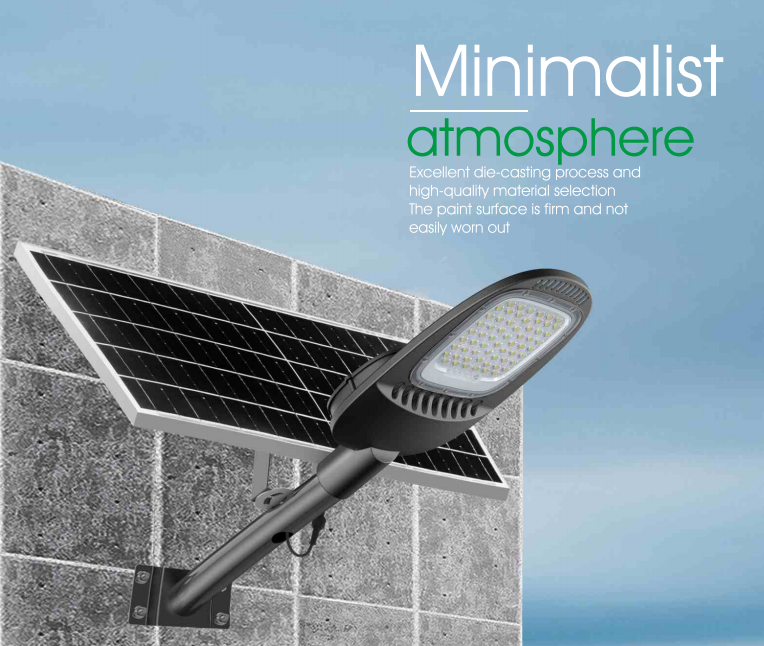

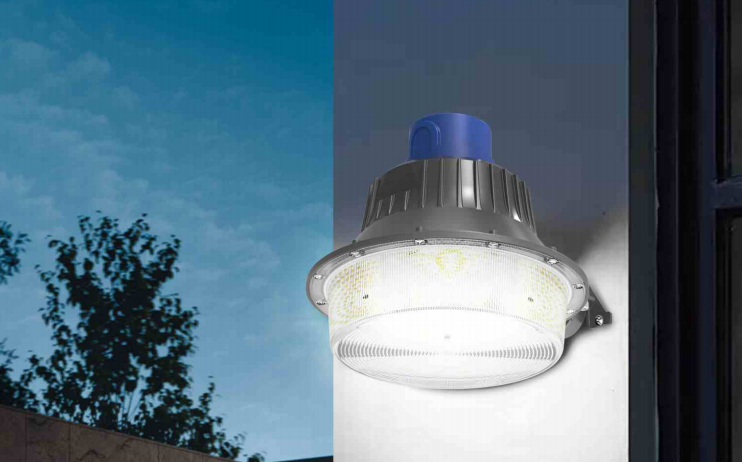
As a professional manufacturer based in Guangdong, China—the global hub for LED lighting—we offer advantages that go beyond just manufacturing. Guangdong Guangyao Lighting Co., Ltd. represents the pinnacle of Chinese lighting expertise.
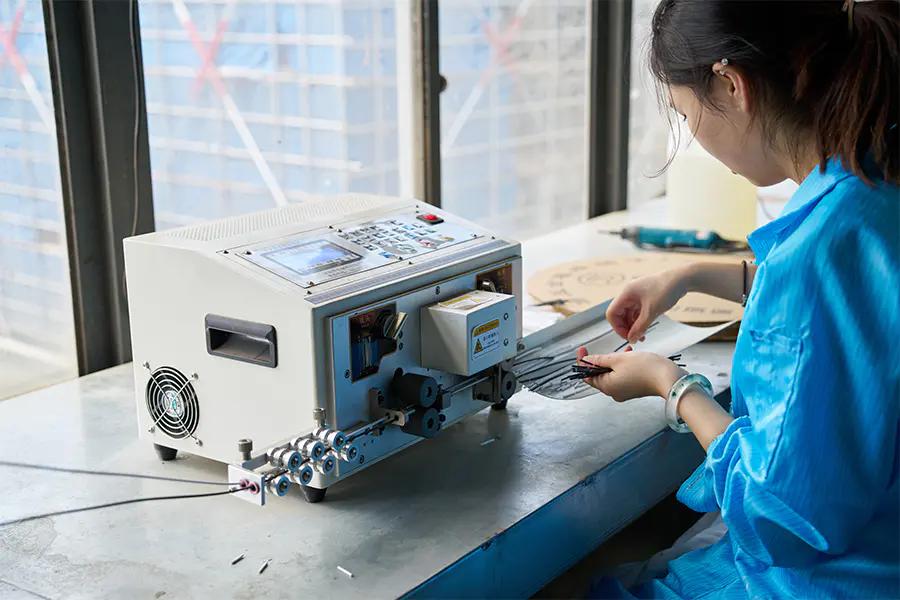
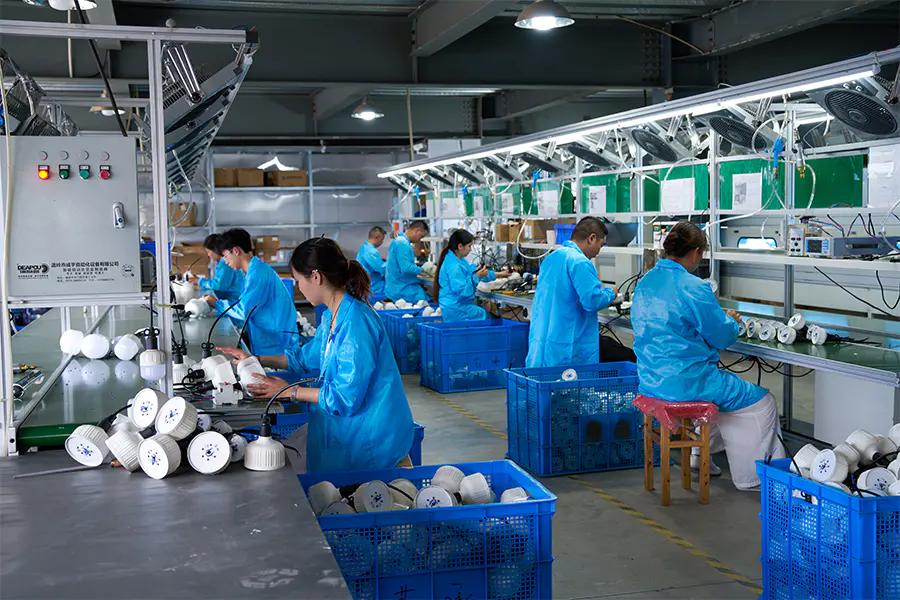

When evaluating the Top 10 All-in-One Solar Street Light Factories, industry experts look at five critical pillars: R&D Investment, Battery Management Systems (BMS), Optical Design, Material Durability, and After-Sales Support. A top-tier exporter doesn't just sell a product; they provide a 10-year lighting solution. The leading factories in China, such as those in Zhongshan and Shenzhen, have revolutionized the market by introducing "Modular All-in-One" designs, where the battery and LED modules can be swapped without dismounting the entire unit.
Our commitment at Guangdong Guangyao Lighting is to bridge the gap between high-end technology and cost-effective implementation. Founded in 2008, we have navigated the transition from HID to LED and now to Intelligent Solar, making us a veteran authority in the space.
Engineered for excellence, designed for durability.
 Guangyao Lighting