High-performance structural, industrial, and architectural lighting solutions engineered to meet international safety and durability standards.
The global infrastructure sector is undergoing a massive transformation. As urbanization accelerates and transportation networks expand subterranean pathways, the demand for robust, highly efficient tunnel LED lighting fixtures has skyrocketed. Historically, tunnels relied on High-Pressure Sodium (HPS) and Metal Halide (MH) lamps. These legacy systems, while functional, suffered from rapid lumen depreciation, high maintenance cycles, and poor Color Rendering Index (CRI), leading to safety risks in critical transit sectors.
According to current market intelligence, the global industrial tunnel lighting market is expected to witness a Compound Annual Growth Rate (CAGR) of over 8.5% through 2030. Key drivers include state-mandated decarbonization goals, the expansion of high-speed rail networks, and the integration of Smart City IoT protocols. Industrial and vehicular tunnels demand continuously operating, high-power systems that can handle extreme moisture, corrosive exhaust gases, and severe temperature fluctuations without failure. Consequently, engineering-grade LED luminaires have transitioned from a premium upgrade to a mandatory design standard for municipal authorities and private operators alike.
Optimizing lumen distribution across distinct atmospheric zones within underground passages.
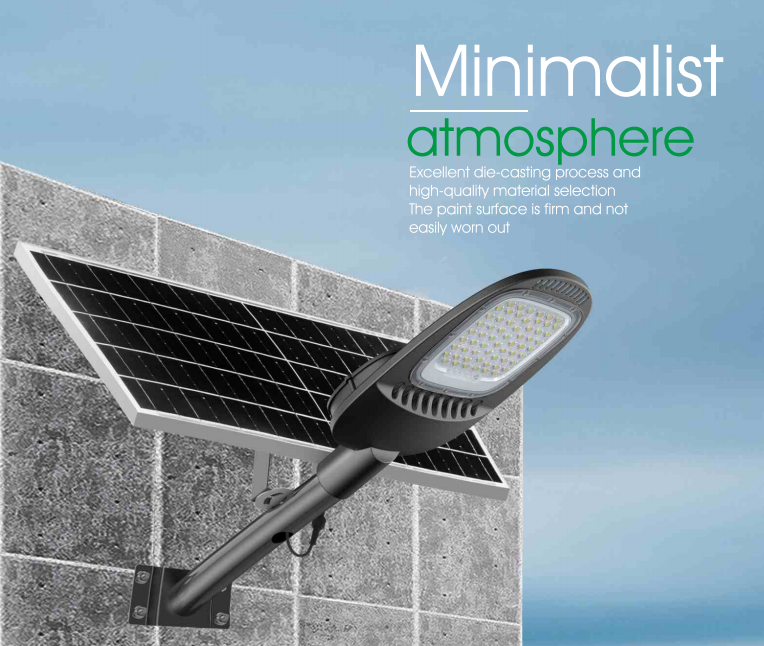
Requires precise lighting zones (Entrance, Transition, Interior, Exit) to prevent the "Black Hole Effect" where drivers are temporarily blinded by sharp light transitions. Luminaires must offer high CRI (Color Rendering Index) > 80, glare control, and step-dimming capabilities synchronized with external ambient light levels.
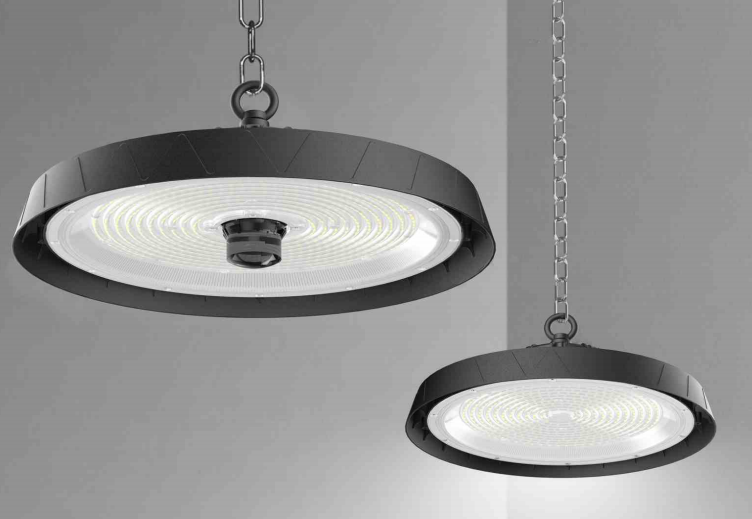
Subjected to high vibration from passing locomotives. Fixtures must feature robust anti-vibration brackets and tempered glass to withstand continuous mechanical stress, alongside specialized asymmetrical optics to illuminate emergency walkways without dazzling train operators.
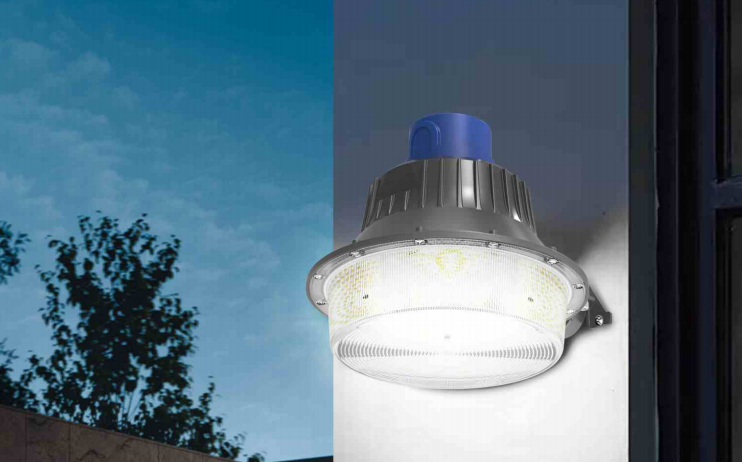
Corrosive, damp, and hazardous environments demanding ATEX or dust-ignition-proof certifications. Heavy-duty aluminum housings with specialized powder coating protect internal drivers and light engines from chemical exposure, high humidity, and combustible atmospheres.
Why do global procurement managers consistently source tunnel lighting solutions from China? The answer lies in the unparalleled integration of the electronics and fabrication supply chain located in manufacturing hubs like Guangdong. Unlike regional manufacturers in Western markets, Chinese factories operate in tightly clustered industrial ecosystems, offering instant access to high-grade raw aluminum extrusion plants, chip packaging centers, driver manufacturers, and automated testing facilities.
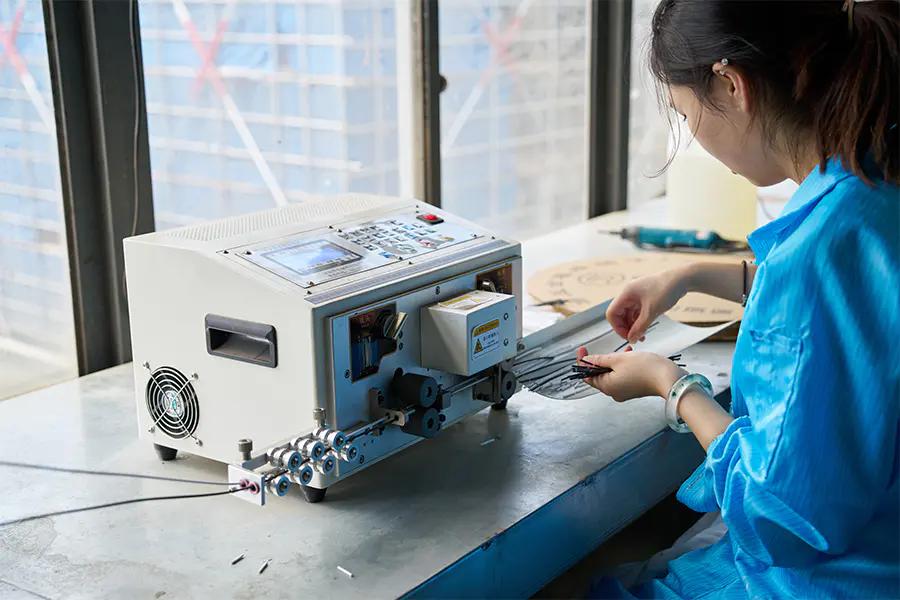
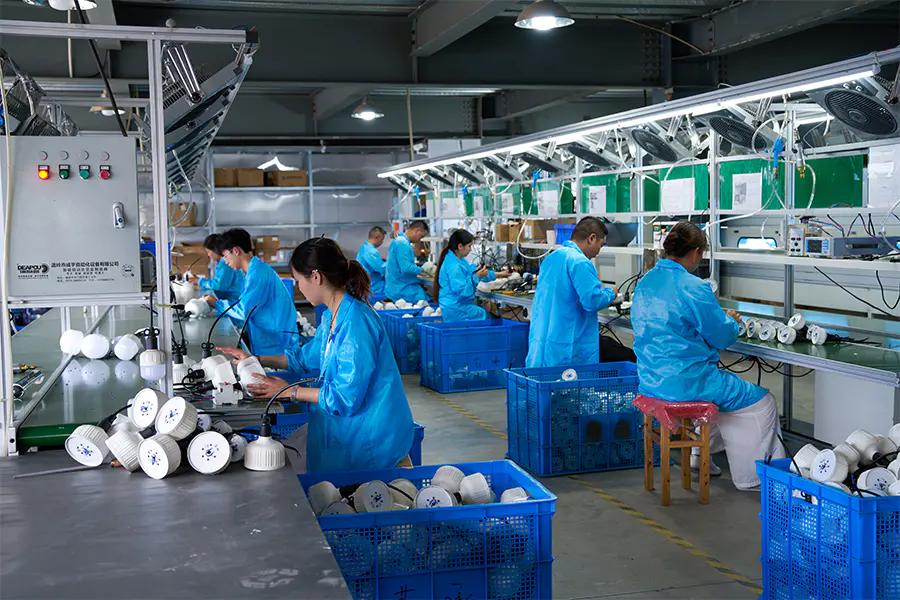
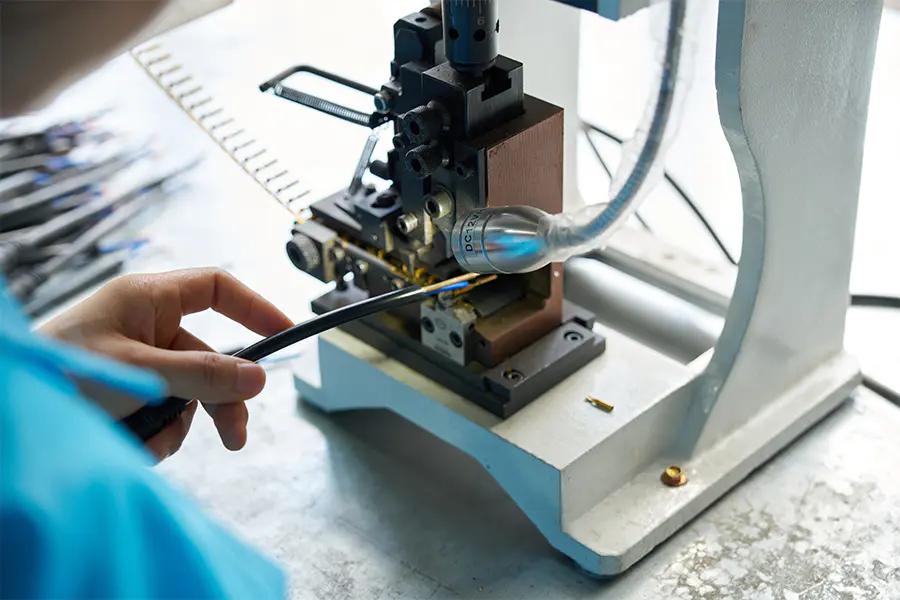
This localized density drastically reduces lead times for complex custom orders. If a project requires specific beam-angle adjustments or a custom mounting bracket, Chinese factories can prototype, verify thermal simulations, and start high-volume production in a fraction of the time required elsewhere. Furthermore, automated SMT (Surface Mount Technology) assembly lines and computerized testing benches reduce human error, driving down manufacturing costs while ensuring high yields of robust, long-lifespan industrial light fixtures.
Your Trusted Partner in High-Power Industrial & Commercial LED Lighting Solutions.
Founded in 2008, Guangdong Guangyao Lighting Co., Ltd. has established itself as an industry-leading pioneer specializing in the Research & Development, precision production, and global distribution of LED lighting solutions. Operating under the rigorous guidelines of the ISO9001:2015 Quality Management System, our state-of-the-art facilities in Guangdong leverage automation and advanced optical engineering to deliver exceptional efficiency, durability, and value.
Our comprehensive portfolio holds recognized global safety and environmental certifications, including CE, 3C, SAA, and RoHS. With our commitment to reliability, our core product offerings are backed by a minimum three-year warranty. We cater to complex commercial infrastructure challenges, serving as a trusted OEM/ODM manufacturing partner for renowned brands, engineering contractors, and government procurement agencies worldwide.
Purchasing agents and infrastructure engineers must look beyond nominal lumen values when selecting tunnel lighting systems. Factors such as thermal dissipation, driver MTBF (Mean Time Between Failures), optics materials, and surge protection capacity directly impact total lifecycle costs. Below is a comparative engineering reference showing the differences between standardized municipal-grade LED fixtures and standard industrial components.
| Performance Indicator | Standard Industrial Lighting | Municipal-Grade Tunnel LED Fixtures |
|---|---|---|
| Ingress Protection | IP65 (Splash-proof) | IP66 & IP69K (High-pressure jet wash resistant) |
| Luminous Efficacy | 110 - 130 lm/W | 150 - 180 lm/W (Maximizing systemic energy savings) |
| Housing Material | Standard Die-Cast Aluminum | Marine-grade C5 Anti-Corrosion Treated Alloy |
| Surge Protection (SPD) | 2kV - 4kV | 10kV - 20kV (Critical for safeguarding against line surges) |
| Optical Lens Material | Standard Acrylic / PC | UV-stabilized Tempered Glass (Non-yellowing, high transmittance) |
The next generation of tunnel illumination is smart, connected, and highly adaptive. Three key trends are transforming how municipal networks configure their infrastructure installations:
Technical answers to critical engineering, safety, and supply chain questions.
From heavy-duty industrial systems to modern smart architectural and interior lighting.


 Guangyao Lighting