Guangyao Lighting
1. Industrial Executive Summary: Outdoor Lighting Dynamics in Port Moresby
Port Moresby, the capital city of Papua New Guinea (PNG), is experiencing an extraordinary structural transition driven by major commercial waterfront real estate, logistics terminal expansions around Fairfax Harbour and Motukea Island, and ongoing urban security infrastructure modernizations across Waigani, Boroko, and Downtown Moresby. However, sourcing reliable, architectural-grade exterior wall luminaires for PNG contractors, commercial developers, and electrical importers presents a distinct engineering challenge: balancing high-intensity optical illumination with robust environmental resilience under hyper-tropical conditions.
The equatorial marine atmosphere surrounding Port Moresby subjects exterior wall lights to aggressive environmental degradation factors, including constant relative humidity averaging 80%–90%, ambient thermal saturation fluctuating between 24°C and 35°C year-round, intense ultraviolet radiation, airborne coastal saline mist, and frequent electrical grid instability (unplanned load shedding and power surges). Sub-standard lighting fixtures imported without rigorous moisture sealing, anti-corrosion chemical treatments, and wide-voltage surge protection fail prematurely within 6 to 12 months—leading to catastrophic lumen depreciation, moisture ingress, LED array failure, and structural metal oxidation.
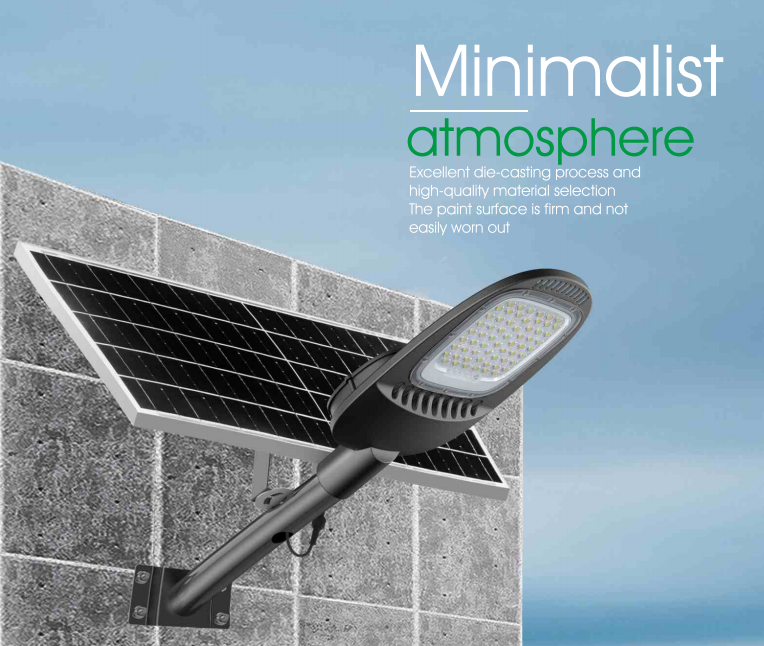
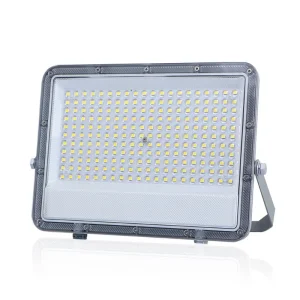
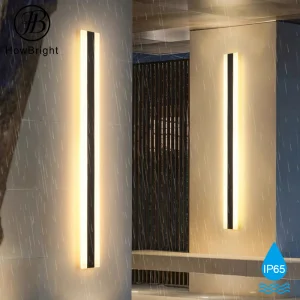
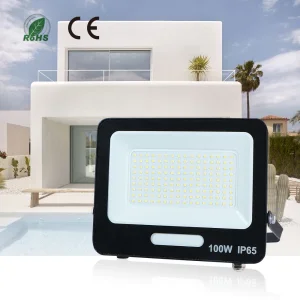
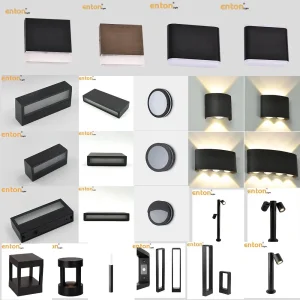
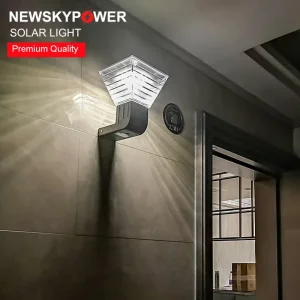
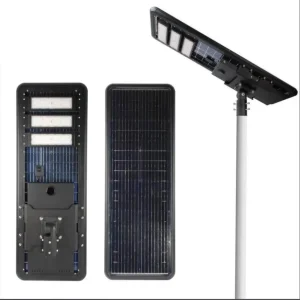
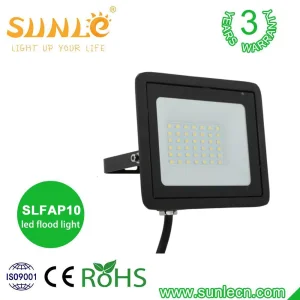
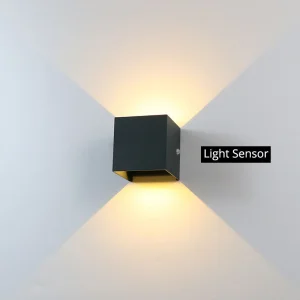
As a leading ISO9001:2015 certified manufacturer and global exporter, Guangdong Guangyao Lighting Co., Ltd. engineered a targeted range of IP65 waterproof outdoor wall lights, high-output LED wall washers, and autonomous solar exterior luminaires specifically tailored to withstand Port Moresby’s demanding operational matrix. This whitepaper provides project procurement managers, electrical wholesalers, and architectural lighting designers with deep engineering insights, procurement standards, and technological benchmarks required to execute zero-defect lighting deployments across Papua New Guinea.
Technical Insights: Ingress Protection vs Tropical Condensation Dynamics
In equatorial markets like Port Moresby, standard IP65 enclosures often fail not because water enters from outside rain, but due to internal thermal vacuum pressure. When a high-power wall light operates, heat expands the air inside the housing. When turned off at night during heavy tropical rainfall, the rapid cooling creates negative suction, pulling moist tropical air through micro-gaps in aging rubber gaskets. Our engineered luminaires feature pressure-equalization hydrophobic breathing valves alongside continuous-injection fluorosilicone gaskets to eliminate internal moisture condensation completely.
2. Papua New Guinea Environmental & Structural Compatibility Standards
To ensure long-term operational integrity (exceeding 50,000 continuous operating hours), exterior luminaires exported to Port Moresby must comply with rigorous material science and electromechanical standards:
| Environmental Stress Factor | PNG Regional Impact Level | Guangyao OEM/ODM Technical Solution |
|---|---|---|
| Airborne Coastal Salt Spray | High (Port Moresby Harbour & Coastal Belts) | High-pressure die-cast ADC12 aluminum with multi-stage fluorocarbon powder coating (1000-hr Salt Spray Tested). |
| Equatorial Solar UV Radiation | Extreme (Index 11-12 Peak) | UV-stabilized Bayer optical PC lenses and toughened tempered glass with anti-glare hydrophobic coating. |
| Grid Voltage Volatility | Frequent Surges (160V – 285V AC spikes) | Wide-input Class I/II isolated constant-current drivers with integrated 6kV/10kV Surge Protection Devices (SPD). |
| High Ambient Moisture / Humidity | 80% – 95% RH Constant | IP65/IP66 ingress dual-injection silicone seals and breathable PTFE micro-porous pressure valves. |
| Perimeter Security Lighting Needs | Critical Commercial & Residential Concern | High-lumen optical lenses combined with dual-technology PIR/Microwave motion detection for instant threat response. |
3. Global Exterior Lighting Trends & Technological Breakthroughs
The global outdoor lighting sector is shifting rapidly toward extreme energy efficiency, optical accuracy, and smart control autonomy. Key developments integrated into Guangdong Guangyao’s export portfolio include:
- Ultra-Efficacy LED Packaging: Transitioning to high-lumen SMD 5050 and 3030 LED chips capable of delivering up to 160–180 lumens per watt, reducing energy consumption by over 70% compared to traditional metal halide or sodium fixtures.
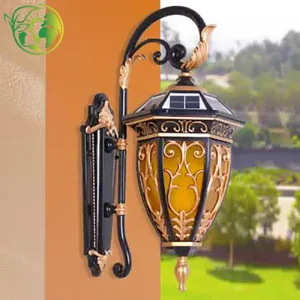
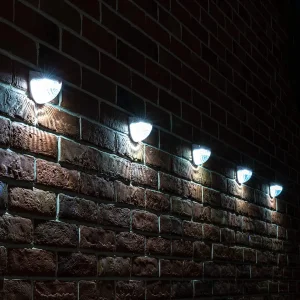
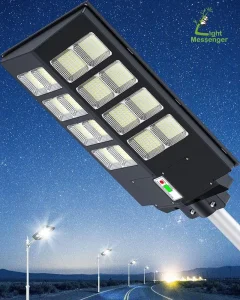
- Autonomous Off-Grid Photovoltaic Systems: Integrating ultra-pure Monocrystalline silicon solar cells (>22.5% conversion rate) with high-capacity Lithium Iron Phosphate (LiFePO4) battery packs, allowing 3 to 5 continuous rainy day autonomous operation in PNG’s wet seasons.
- Precision Optical Cut-Off & Dark-Sky Compliance: Custom asymmetrical beam angles (e.g., 30°×90°, 60°×120°) that direct light downward and laterally onto pathways and vertical facades, eliminating sky-glow light pollution and optical trespass into adjacent properties.
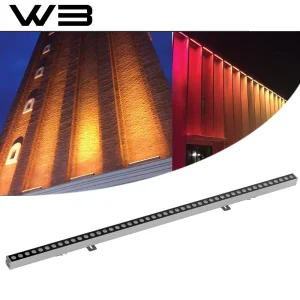
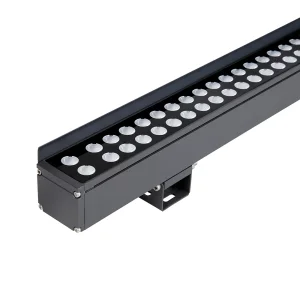
- Smart IoT Mesh & DMX512 Facade Control: Architectural wall washers and linear neon strip lighting featuring DMX512 protocols, enabling dynamic color synchronization for hotel facades, civic monuments, and landmark modern estates in Port Moresby.
4. Engineering & Materiality Deep Dive: Why IP65 Seals Matter
The term "IP65" is widely quoted across the lighting industry, but manufacturing true IP65 wall lights capable of enduring years of tropical exposure requires stringent factory quality control. The primary digit "6" signifies total dust-tight protection, preventing fine particulate matter, dust, and insects from entering the optical chamber. The secondary digit "5" indicates protection against water jets projected by a nozzle (6.3 mm) against the enclosure from any direction.
At Guangdong Guangyao Lighting Co., Ltd., our manufacturing process goes beyond baseline standards. We utilize robotic liquid silicone gasket dispensing machines to apply continuous, seamless seals around the perimeter of the die-cast housing and tempered glass cover. Furthermore, our heat-dissipation fins are computed using Computational Fluid Dynamics (CFD) simulation, ensuring the LED junction temperature ($T_j$) remains strictly under 75°C when operating in ambient air temperatures of 40°C. Lower junction temperatures directly preserve light output stability and prevent color temperature shift (SDCM < 3) over time.